Explicit teaching isn't regurgitation
It’s about building foundation → generation → application
One of the most persistent misconceptions about explicit teaching is that it produces passive learners: students who can reproduce what their teacher has told them, but struggle to think, question, create or explore for themselves.
If that is the outcome, we haven't understood the purpose of explicit teaching.
The goal isn't regurgitation. It's generation.
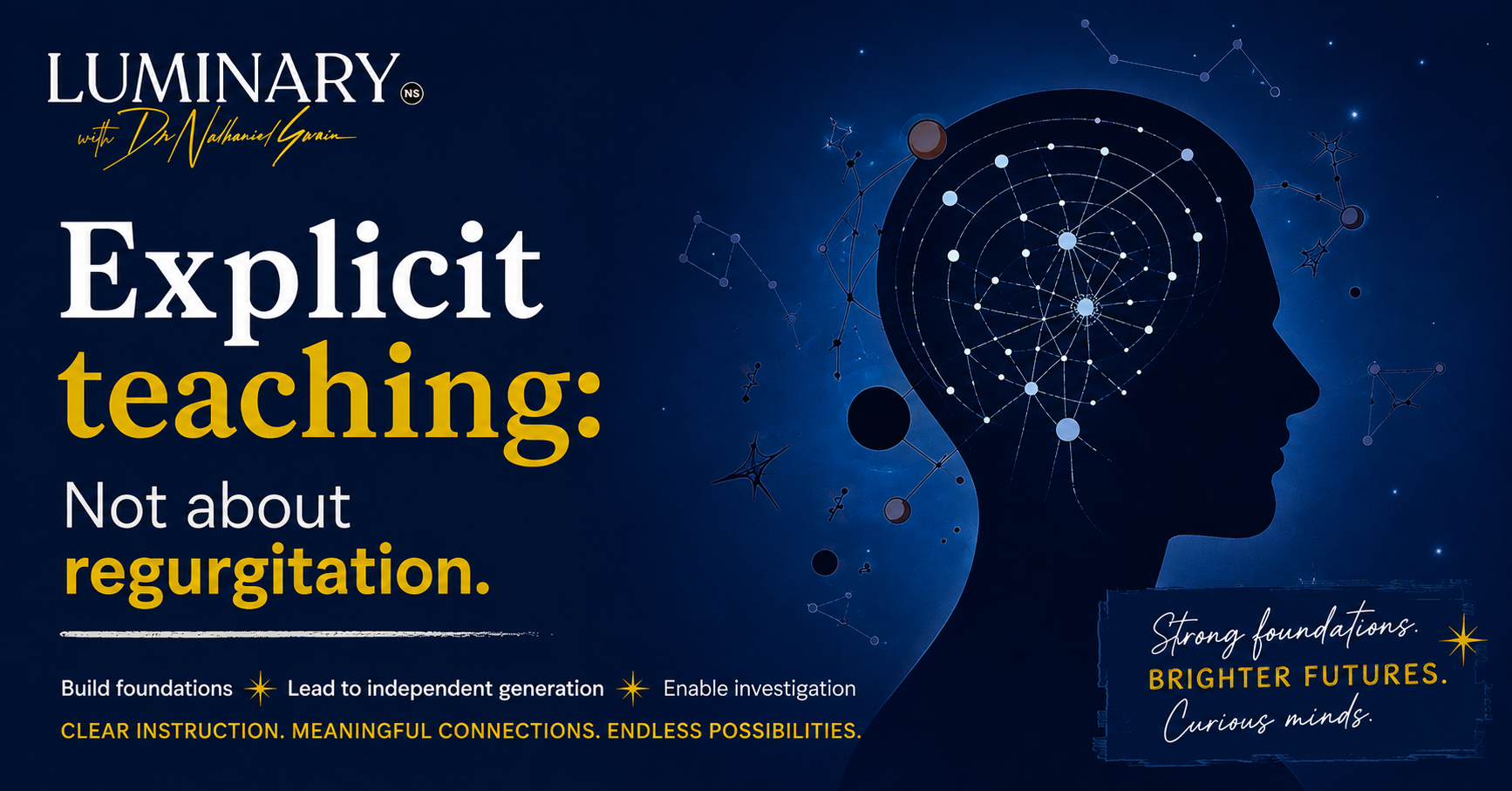
Explicit teaching is about deliberately building the knowledge, vocabulary, concepts and skills students need so that they have something increasingly powerful to think with. Ashman reminds us that knowledge, far from inert material we ask children to file away, is the very stuff of thought: Knowledge is what we think with.
Build the foundations
When students are novices in a domain, they don't yet have the rich networks of knowledge that experts can draw upon. Asking them to independently discover important concepts or navigate complex problems can therefore place enormous demands on working memory.
This is where explicit teaching is particularly powerful.
We can carefully explain and model new ideas, connect them to what students already know, guide students through initial practice, check for understanding and respond when misconceptions emerge.
This isn't about keeping students dependent on the teacher. It's about giving them the foundations from which independence can grow.
In literacy, for example, explicitly teaching vocabulary, background knowledge and how to make sense of complex texts doesn't constrain what students can subsequently do with those texts. It expands the possibilities.
The richer the knowledge students accumulate, the more connections they can make.
Then let them do something with it
This is why I've previously argued that the debate between explicit teaching and inquiry asks the wrong question.
It isn't simply whether students should inquire. It's when, and for what purpose.
There should absolutely be opportunities for students to investigate, debate, solve problems, create, critique and pursue questions. But these experiences become much more productive when students bring sufficient knowledge and skill to them.
As students become increasingly competent, we can progressively withdraw our support.
Explain → model → practise → apply → connect → generate → investigate.
These aren't competing visions of teaching. They can be stages in the development of expertise.
In our Read2Learn work, for example, knowledge-rich explicit instruction wasn't designed to culminate in students endlessly reproducing information. Students encountered rich content through reading, writing, discussion, role play, hands-on exploration and application. Explicit instruction provided the architecture that allowed increasingly sophisticated engagement with that content.
That's the destination we should keep in mind.
We don't explicitly teach because we want students to need explicit teaching forever.
We explicitly teach so that,they need even less explicit teaching earlier and earlier.
Clear instruction. Meaningful connections. Endless possibilities.

Want to go deeper?
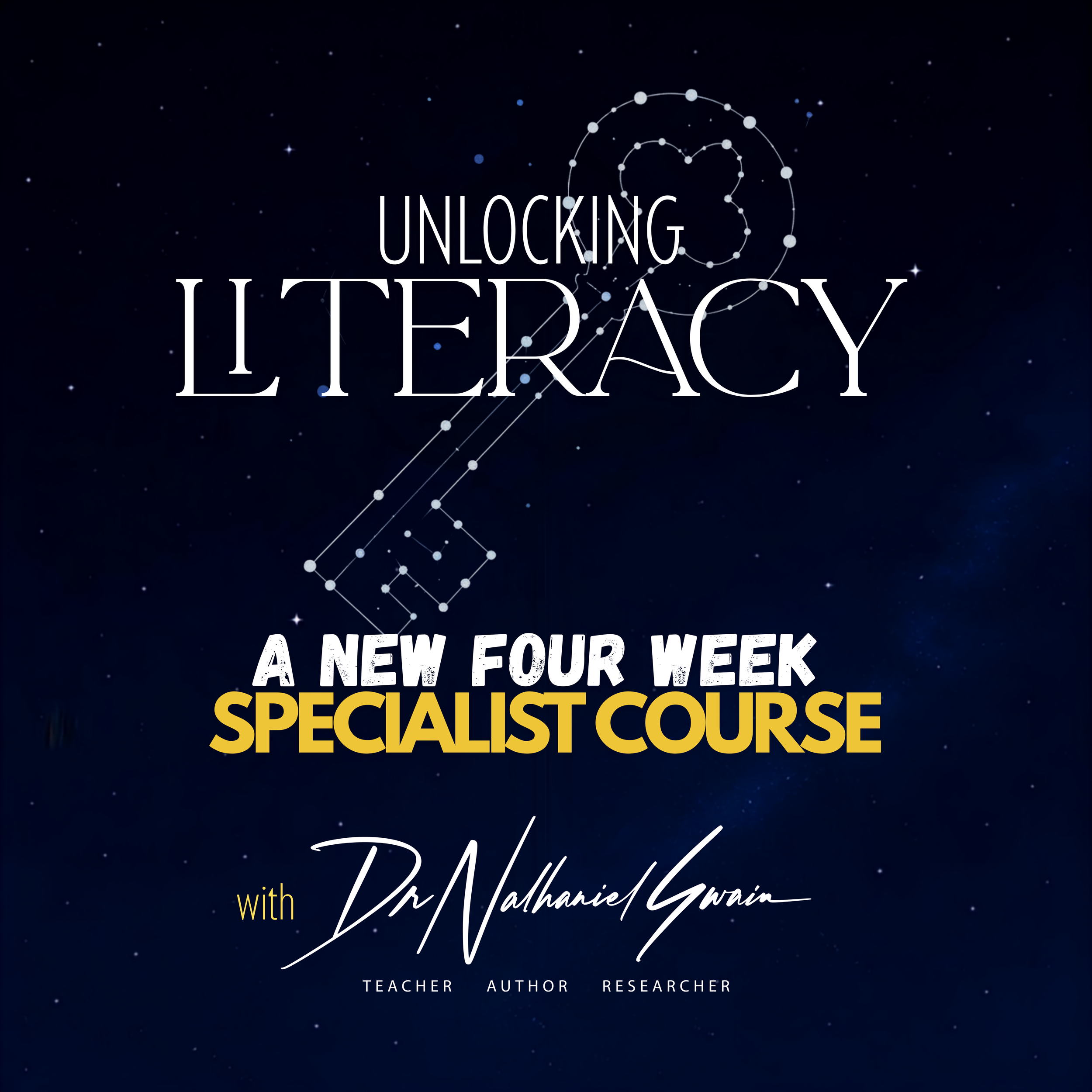
Unlocking Literacy: Unlocking the Power of Words for Reading and Spelling
This is a new Luminary Specialist Course with Dr Nathaniel Swain.
Across four 90-minute live webinars, we'll take a deeper dive into the knowledge and instructional techniques that help students become increasingly capable readers and spellers.
Live webinars: 5, 12, 19 & 26 October 2026 at 6:30 pm AEDT
Recordings: Available for three weeks following the final webinar
Places are limited.
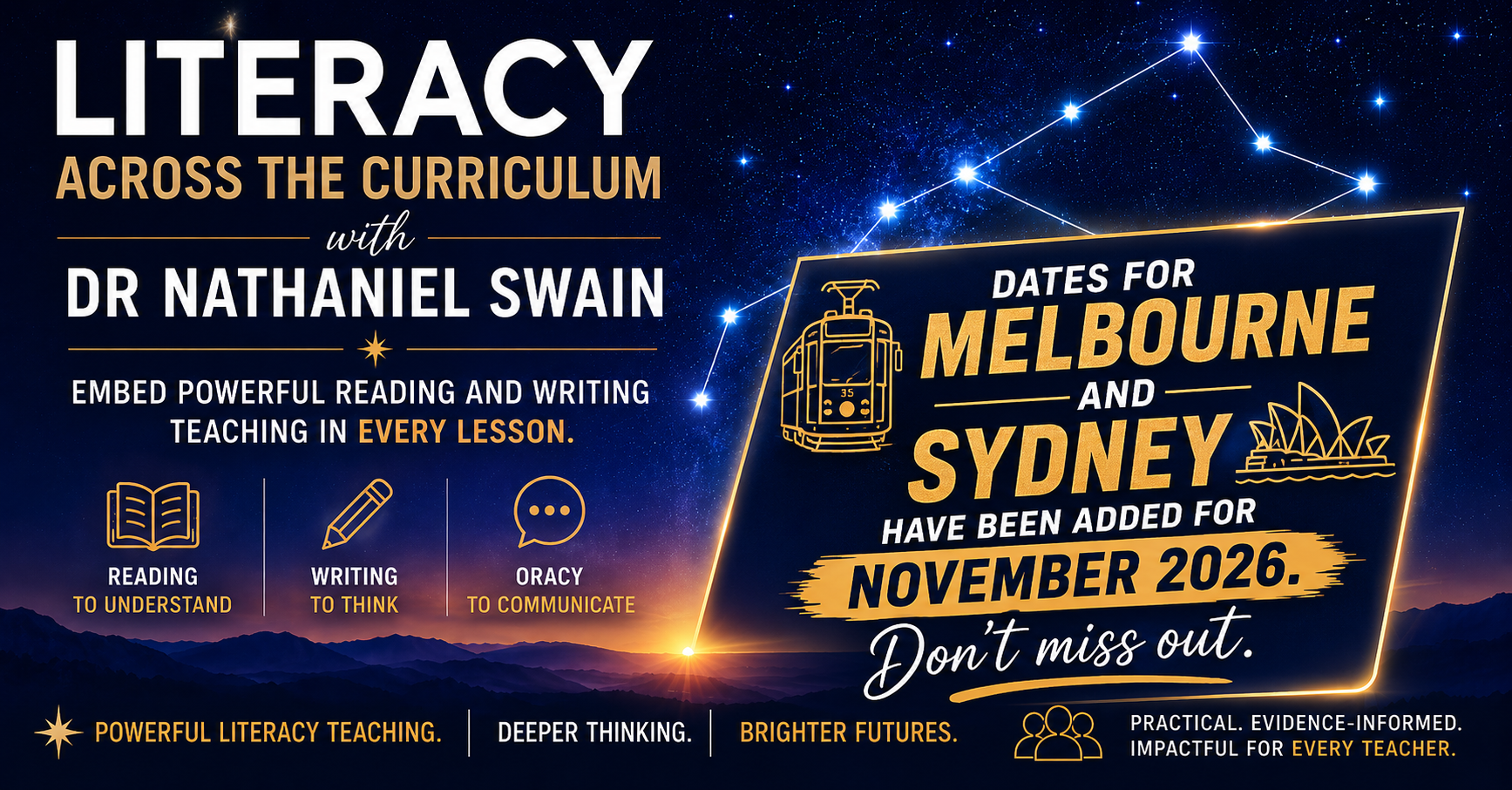
Literacy Across the Curriculum — Melbourne, Sydney & Sunshine Coast
I'll also be running Literacy Across the Curriculum full-day professional learning workshops in Melbourne, Sydney and the Sunshine Coast.
Designed for primary and secondary teachers and leaders, these practical workshops explore how we can embed powerful reading, writing and oracy instruction across the curriculum—helping students access complex texts and concepts, develop disciplinary literacy and communicate increasingly sophisticated ideas.
Melbourne & Sydney — November 2026
New dates have been added.
Sunshine Coast — 22 January 2027
Pacific Paradise State School | 8:30 am–3:00 pm
These workshops bring the same principle to life: strong literacy foundations don't narrow the curriculum—they give students greater access to it.
Places are limited.

Keep learning with Luminary
Bite-sized professional learning. Practical ideas. Available anytime.
Luminary gives teachers and school leaders access to practical, evidence-informed professional learning designed to support classroom practice and whole-school improvement.
Explore short, focused learning on explicit teaching, literacy, cognitive science, curriculum, assessment and more — and turn the research into approaches you can actually use.
Learn at your own pace. Revisit ideas when you need them. Put them into practice straight away.
Whether you're looking for a quick boost for tomorrow's lesson or supporting longer-term improvement across your school, Luminary makes high-quality professional learning available when it matters.
Learn. Apply. Improve.
Find out more!