
Great teaching - Neither scripted nor improvised
Why Great Teaching Isn't Read from a Script—Nor Made Up on the Spot
Great teaching sits between two extremes.
At one end is rigid delivery: faithfully following a script regardless of what students understand, misunderstand, or need. At the other is reactive improvisation: making teaching decisions on the fly without a secure plan or deep knowledge to guide them. Neither is where expert teaching lives.
Perhaps the better way to think about teaching is as the interaction between preparation and deviation. See what I have captured in this matrix I developed below.
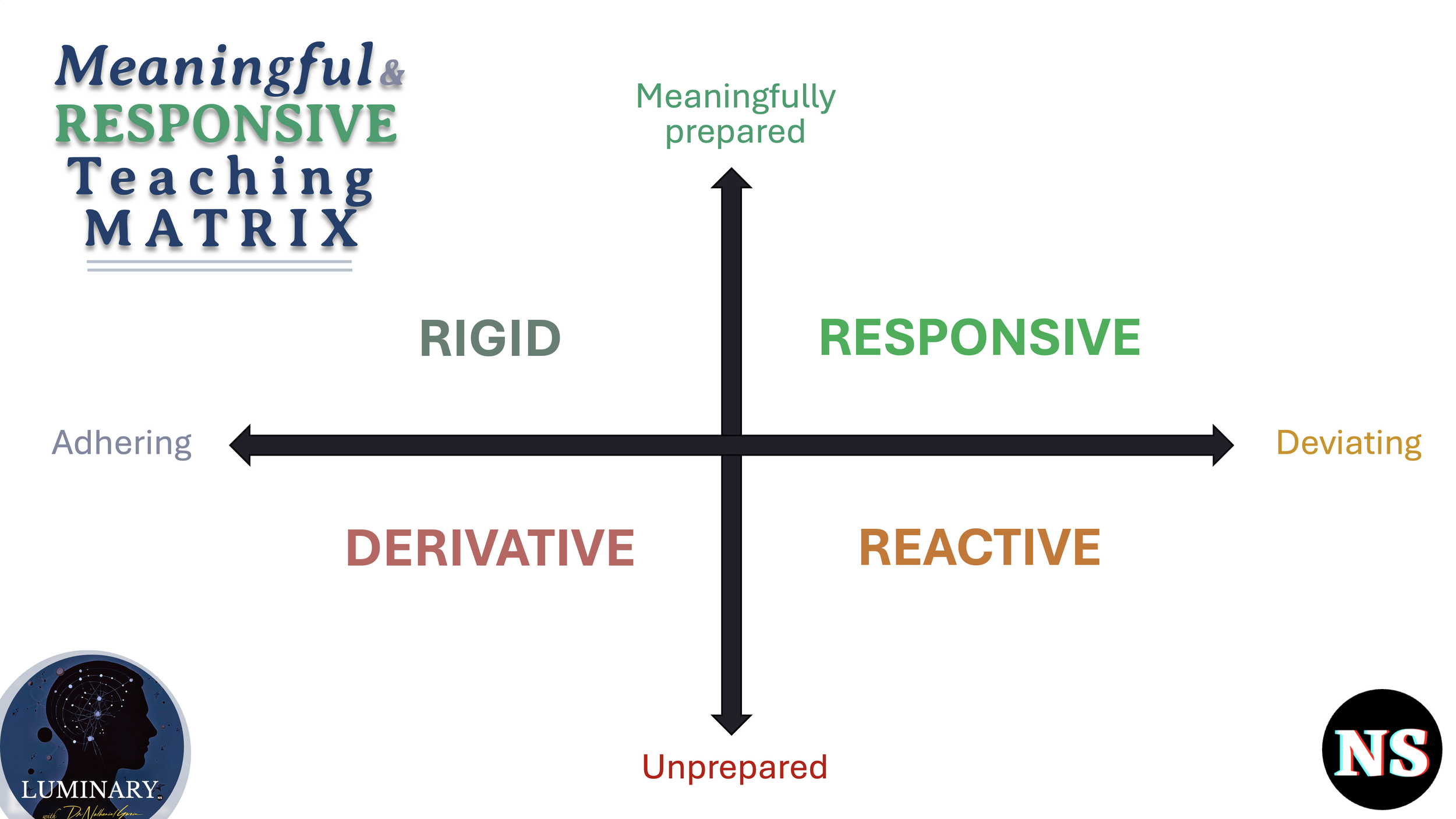
Figure 1 - Meaningful and Responsive Teaching Matrix
Responsive teaching ☑️
When teachers are well prepared and know when to deviate, they become responsive. They can adapt in service of learning because they understand the curriculum, anticipate misconceptions, and recognise what students need in the moment.
Reactive teaching ❌
When teachers deviate without that preparation, however, they become reactive. Decisions are driven by instinct rather than expertise, and lessons can quickly lose coherence.
Rigid teaching ❌
The opposite tendency is rigid teaching. Here, teachers may be well prepared, but they remain so committed to the plan that they miss opportunities to respond to what students are thinking. The lesson proceeds as intended, even when students need something different.
Derivative teaching ❌
The final quadrant is derivative teaching. This occurs when teachers lack the preparation needed to exercise professional judgement and instead become dependent on someone else's lesson plan, script, or resource. Rather than adapting based on their understanding of the content, their students, and how learning occurs, they reproduce what has been written because departing from it feels unsafe.
Deviation as a good thing?
The word deviation comes from the Latin via ("road" or "way"). To deviate is simply to leave the path. But leaving the path only has value if you know where you're going and how to return. A teacher who refuses to deviate is trapped by the lesson plan. A teacher who constantly deviates without purpose is simply wandering.
Meaningful preparation is needed
Meaningful preparation is what makes meaningful deviation possible.
It goes far beyond having a slide deck or a sequence of activities. It means knowing your content, knowing your students, and understanding how learning happens. It means anticipating misconceptions, recognising signs of cognitive overload, and knowing when to explain, model, question, practise, or extend.
Meaningful preparation is about being ready to teach the lesson students need—with as many responses and adaptations as necessary—rather than rigidly or derivatively delivering a lesson exactly as written.
When teachers do not understand the underlying concepts within the curriculum, the common misconceptions students are likely to experience, or the signs that cognitive overload is occurring, deviations become frightening. Even student questions can feel like unwelcome interruptions rather than valuable windows into students' thinking.
This is why both ideological extremes miss the mark. If we rigidly believe students must discover everything for themselves, we withhold the hard-won knowledge that allows them to stand on the shoulders of giants. If we rigidly believe every moment must be explicitly directed by the teacher, we can end up over-prompting students who are ready to think, apply, and extend independently.
In a well-calibrated school, shared planning and high-quality curriculum materials reduce unnecessary variation, allowing teachers to spend less time searching endlessly for resources or creating everything from scratch. Instead, teachers can refine and augment planning materials, engineering lessons to reduce extraneous cognitive load and optimise the productive challenge of the content itself.
Structure is not a straitjacket. It is the foundation that allows professional judgement to flourish.
Endnote
The best teachers aren't those who never leave the script, nor those who proudly abandon it without cause. The best teachers are those that are prepared enough to know exactly when, why, and how to depart from a well-structured plan in service of student learning and curiosity.
Give students the lesson they need, not just the lesson you have planned.